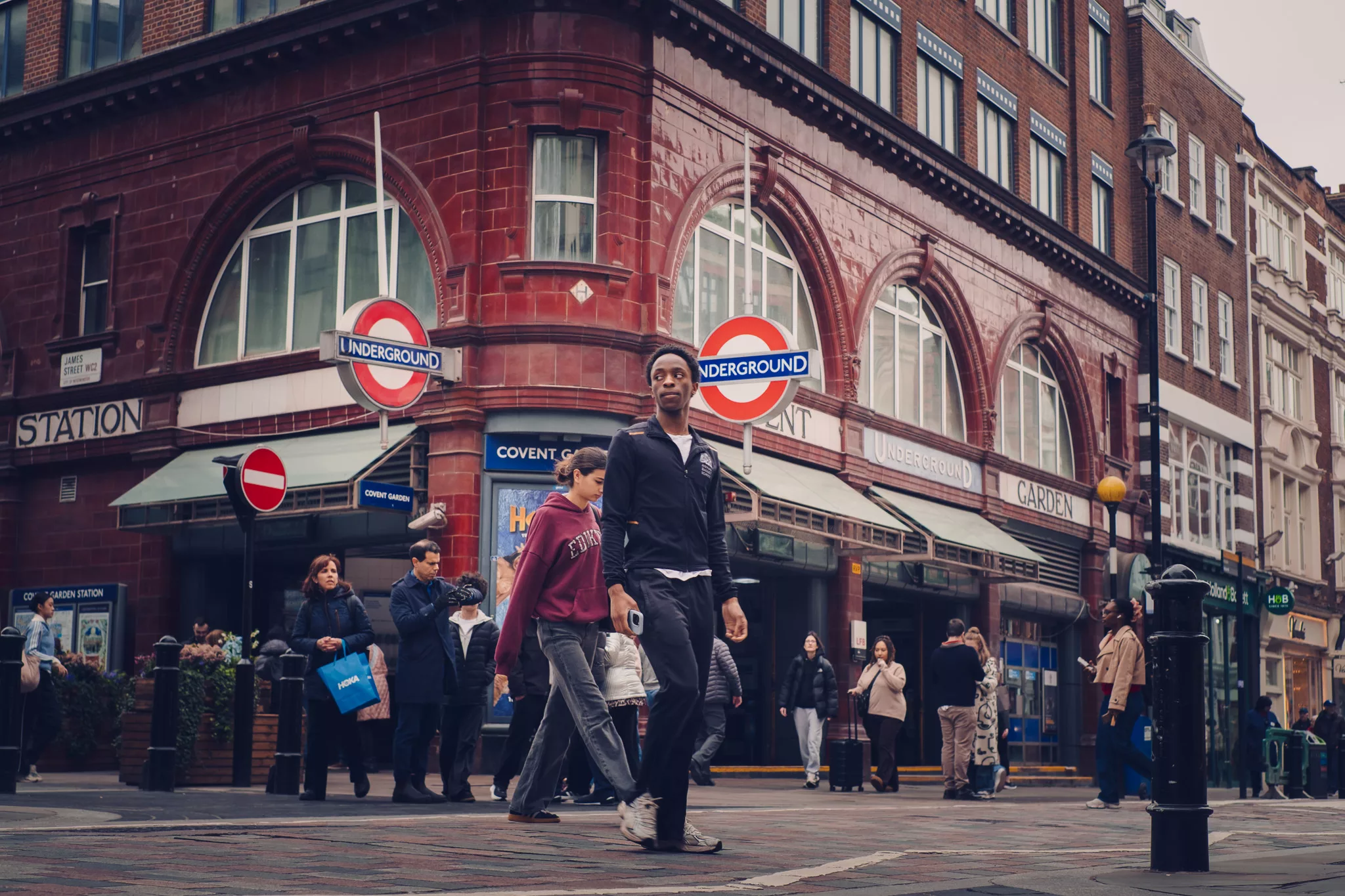
The Fujifilm X-T30 is a digital camera, but for this street photography challenge I used it like an old film camera.
Digital photography has made us lazy. That sounds harsh, but it is true.
With modern cameras, we can shoot hundreds or even thousands of images in a single afternoon. We can use burst mode, review every shot instantly, delete the bad ones, and keep going until something works.
There is nothing wrong with that. It is one of the biggest advantages of digital photography. But sometimes, having unlimited chances makes every single photo feel less important.
The rule was simple: 24 shots only.
No deleting.
No burst mode.
No second chances.
No “just in case” frames.
Watch the 24-Shot Challenge
See the full Fujifilm X-T30 street photography challenge, shot like an old film camera with only 24 frames.
Walking Through London With One Roll in Mind
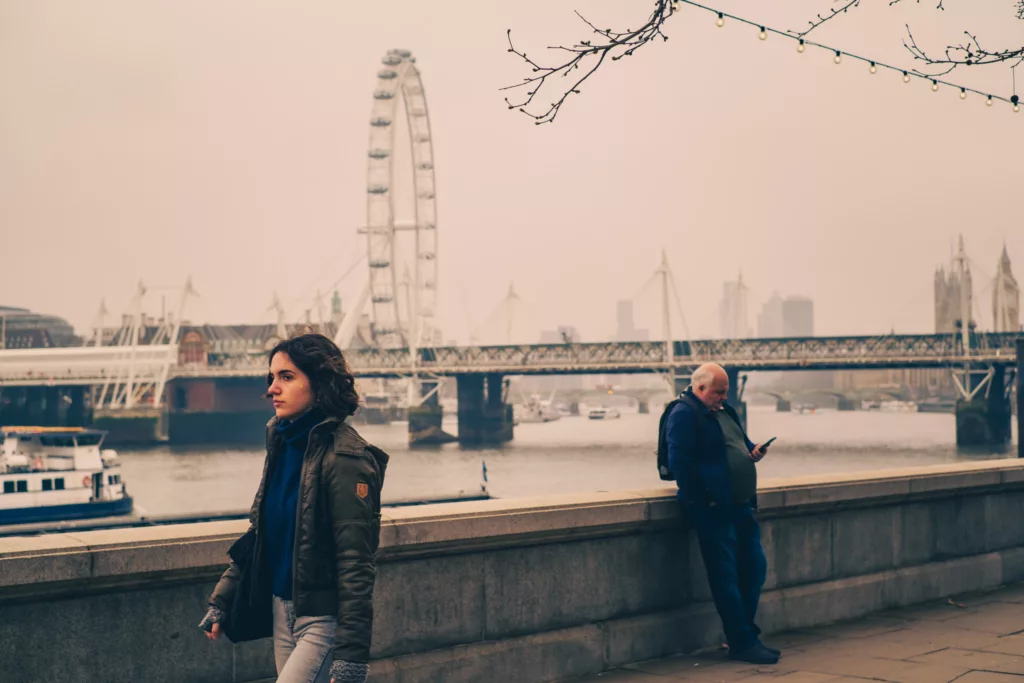
London is a perfect place for this kind of exercise.
The city is full of movement, layers, reflections, gestures, architecture, and small human moments. There is always something happening.
But that is also the problem.
When everything looks potentially interesting, it becomes very easy to photograph too much.
A person crossing the street.
A shadow on a wall.
Someone standing in beautiful light.
A reflection in a window.
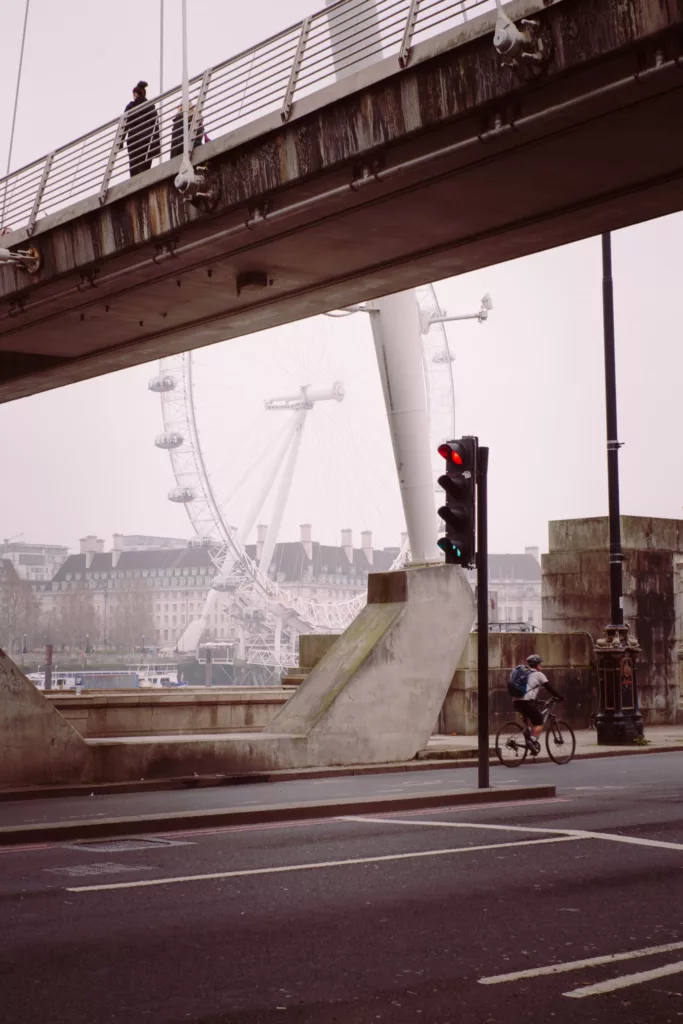
A cyclist passing through the frame.
A small gesture between two people.
Normally, I might photograph all of them. With only 24 shots, I had to be more brutal. Not every interesting scene deserves a photograph.
Some scenes are just warm-up. Some are almost there but not quite. Some have good light but no subject. Others have a subject but no structure. The limitation forced me to wait for the image to become stronger before pressing the shutter.
And honestly, that is the whole point.
What Changed While Shooting?
The biggest change was not technical.
It was psychological.
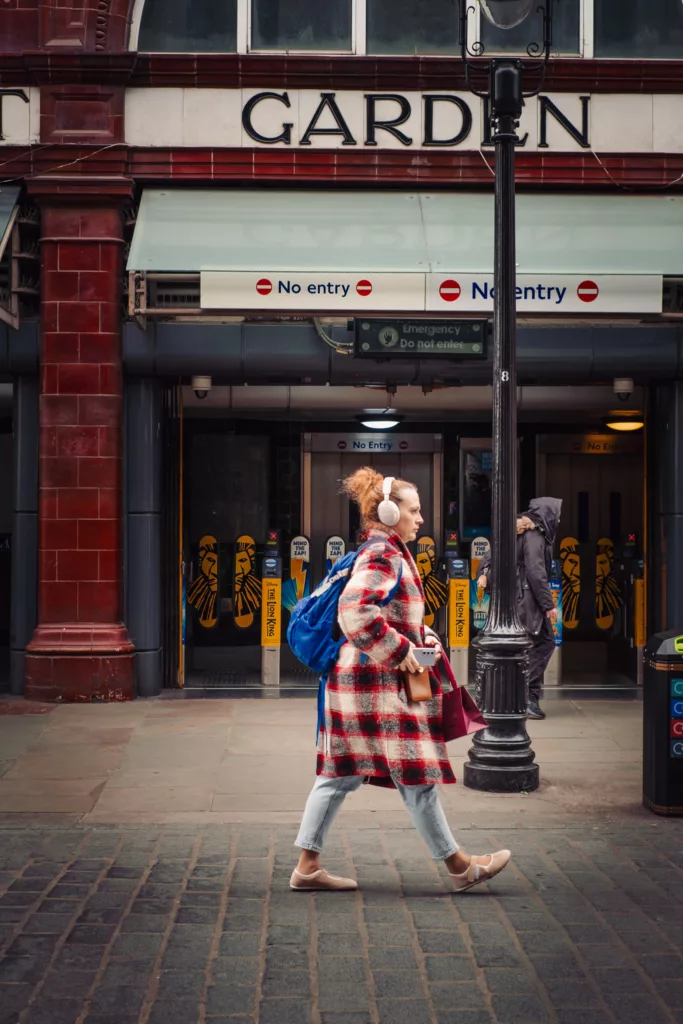
I became more aware of what I was doing before taking the photo. Instead of reacting to every small possibility, I started observing more.
I looked at the background first.
I waited for people to enter the frame.
I paid more attention to light.
I tried to predict movement.
I became more patient.
That is one of the best things about shooting with limitations: it removes the illusion that more photos automatically mean better photos.
They do not.
More photos often just mean more editing later.
A stronger photograph usually starts before the shutter is pressed.
The Fujifilm X-T30 as a Street Photography Camera
The Fujifilm X-T30 works very well for this kind of exercise because it already feels like a small, simple, physical camera.
It is not intimidating. It is easy to carry. It does not attract too much attention. And the classic Fujifilm controls help create a slower, more deliberate shooting experience.
For street photography, that matters.
A camera does not need to be perfect to be enjoyable. In fact, sometimes the best camera is the one that gets out of the way and lets you focus on seeing.
The X-T30 is not the newest camera. It is not the most advanced camera. It does not have the latest autofocus or the biggest sensor.
But for a 24-shot street photography challenge, that almost makes it better.
It feels like a camera you can just take out and use.
No drama. No overthinking. Just photography.
The Contact Sheet Mentality
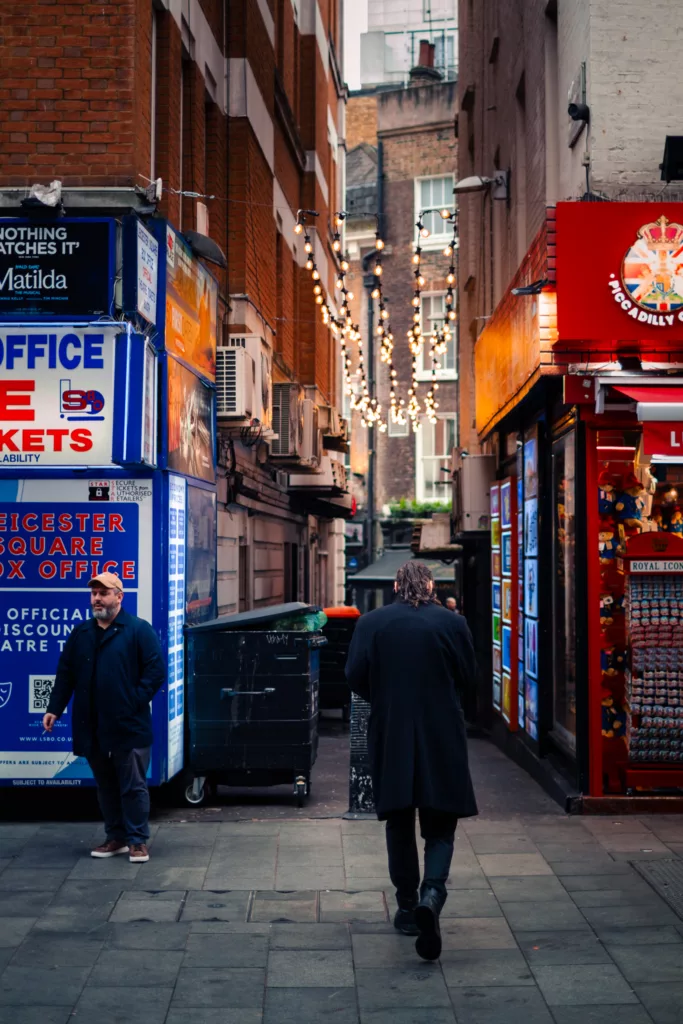
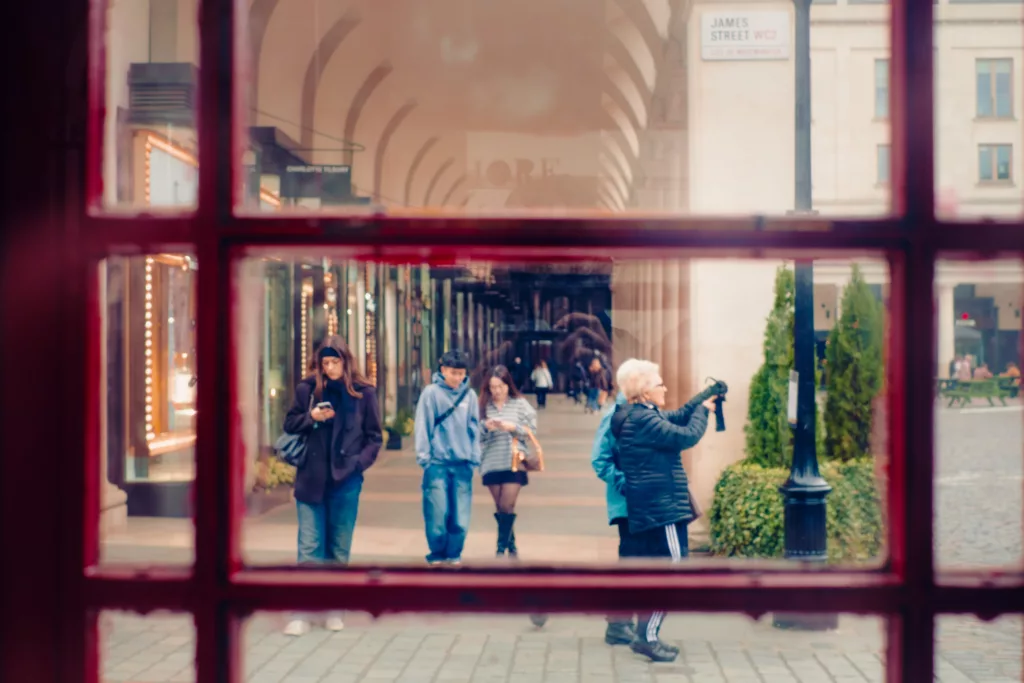
One of the things I love about this exercise is the idea of looking at the final images like a contact sheet.
Not every photo needs to be a masterpiece. That is important.
When you shoot 24 frames, you are not expecting 24 portfolio images. You are looking for the rhythm of the walk. The attempts. The almost-shots. The mistakes. The moments that worked and the ones that did not.
This is much closer to how photography actually feels. A good roll of film might have one great image, a few decent ones, and several frames that simply did not work.
And that is fine.
The value of the exercise is not only in the final photos. It is in the discipline of making decisions.
Did It Make Me a Better Photographer?
For one afternoon, yes.
Not magically. Not permanently. But it reminded me of something important.
Photography is not just about capturing what is in front of you. It is about choosing what deserves attention.
That is the part we often forget.
The 24-shot limitation made me more intentional. It forced me to commit. It made me think before shooting. It made the whole process feel slower, but also more meaningful.
And when you finally get a frame that works, it feels more satisfying because you did not arrive there by accident after taking 200 versions of the same scene.
You chose it.
Should You Try This?
Absolutely. You do not need a film camera. You do not need to buy anything. You do not even need a Fujifilm camera.
You can do this with any digital camera.
Set yourself a limit:
24 shots. One walk. No deleting.
That is it.
You can make it even stricter if you want:
- Use only one lens
- Shoot only in black and white
- Turn off image review
- Use manual exposure
- Pick one focal length
- Shoot JPEG only
But the most important rule is the 24-shot limit. Because that is the rule that changes your behaviour.
Final Thoughts
Shooting the Fujifilm X-T30 like an old film camera reminded me that limitations can be useful.
Modern cameras are incredible, but they also make it very easy to overshoot. And when you overshoot, you often stop paying attention.
A simple constraint like 24 shots brings some pressure back into the process. Not a stressful kind of pressure.
A useful one.
The kind that makes you slow down, observe, wait, and decide. And that, for me, is where street photography becomes interesting.
Not in the number of photos you take.
But in the moments you choose not to miss.
Watch the 24-Shot Challenge
If you enjoy street photography, visual storytelling, and real-world camera experiments, you can watch the full 24-shot challenge on my YouTube channel:
And if you try this exercise yourself, here is the real question:
Could you go out for one afternoon and come back with only 24 photos?
Related Fujifilm Street Photography
If you enjoyed this Fujifilm X-T30 challenge, you might also like my street photography session with the Fujifilm X100VI in London Bank.